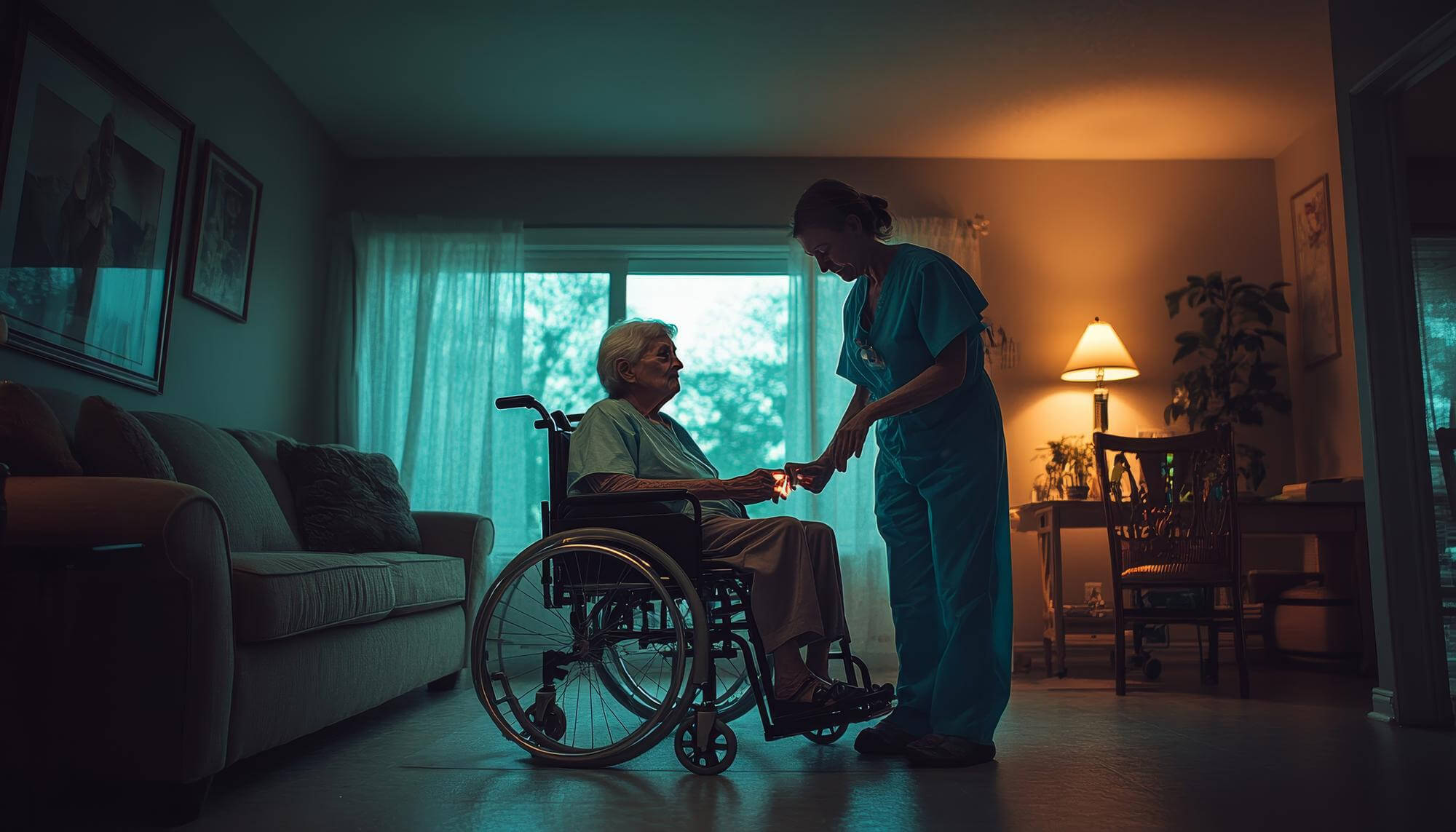
When a loved one enters hospice care, families are often focused on physical comfort and medical support. But there is another essential part of care that is just as important—spiritual and emotional support. At Traditional Hospice, our Spiritual Coordinator helps patients and families find peace, connection, and meaning during one of life’s most difficult transitions.
How Spiritual Care Begins
For Spiritual Coordinator Paul Leonard, the path to hospice care was deeply personal. Influenced by family members in nursing—especially a mother who served as a hospice nurse—he was drawn to the role through his background in pastoral and spiritual care.
Today, his role focuses on supporting patients and families by addressing spiritual needs, offering guidance, and helping them feel less alone during a challenging time.
What Does a Spiritual Coordinator Do?
Spiritual care in hospice is about meeting patients where they are—respecting their beliefs, values, and preferences. For some, that means reconnecting with a church, synagogue, or spiritual community. For others, it may involve direct support through conversation, prayer, or simply being present.
- Connecting patients with their spiritual communities
- Providing one-on-one spiritual support and guidance
- Offering prayer, encouragement, and emotional comfort
- Supporting family members and caregivers
Importantly, spiritual care is always optional. Patients choose whether or not they want this support, ensuring their autonomy and comfort remain a priority.
Support for the Whole Family
Hospice care is not just for the patient—it’s for the entire family. Spiritual care extends to loved ones and caregivers, helping them process emotions, find strength, and navigate the journey alongside the patient.
This holistic approach is a key part of hospice care, addressing not only physical needs, but also emotional, social, and spiritual well-being.
What to Expect
Spiritual support begins shortly after a patient enters hospice care. Within the first few days, the coordinator introduces themselves, explains their role, and offers support based on the patient’s wishes.
Visits are flexible and personalized, ranging from weekly to monthly, depending on each patient’s needs. Care is coordinated with nurses, social workers, and the broader hospice team to ensure every aspect of support is aligned.
Breaking the Misconceptions About Hospice
One of the biggest challenges in hospice care is misunderstanding. Many families associate hospice only with the final days of life, which can lead to delayed care.
In reality, hospice provides meaningful support much earlier—improving comfort, reducing stress, and enhancing quality of life for both patients and families.
When families begin hospice care sooner, they are able to benefit from a full range of services, including spiritual support that brings peace and reassurance during uncertain times.
Why Spiritual Care Matters
Spiritual care helps patients and families find comfort, dignity, and connection. It provides a space to reflect, to process emotions, and to focus on what matters most.
At Traditional Hospice, this care is not about religion—it’s about supporting each person’s unique beliefs and helping them feel heard, valued, and at peace.
A Compassionate Presence When It Matters Most
Hospice care is often misunderstood, but at its core, it is about living fully, even in life’s most difficult moments. Through compassionate spiritual care, patients and families are supported not just medically, but emotionally and spiritually as well.
At Traditional Hospice, we are honored to walk alongside families during this time—providing comfort, guidance, and connection when it is needed most.
If you would like to learn more about hospice care or speak with our team, we are here to help you understand your options and support your family every step of the way.